How multi-agent AI economics influence business automation
 Lena Müller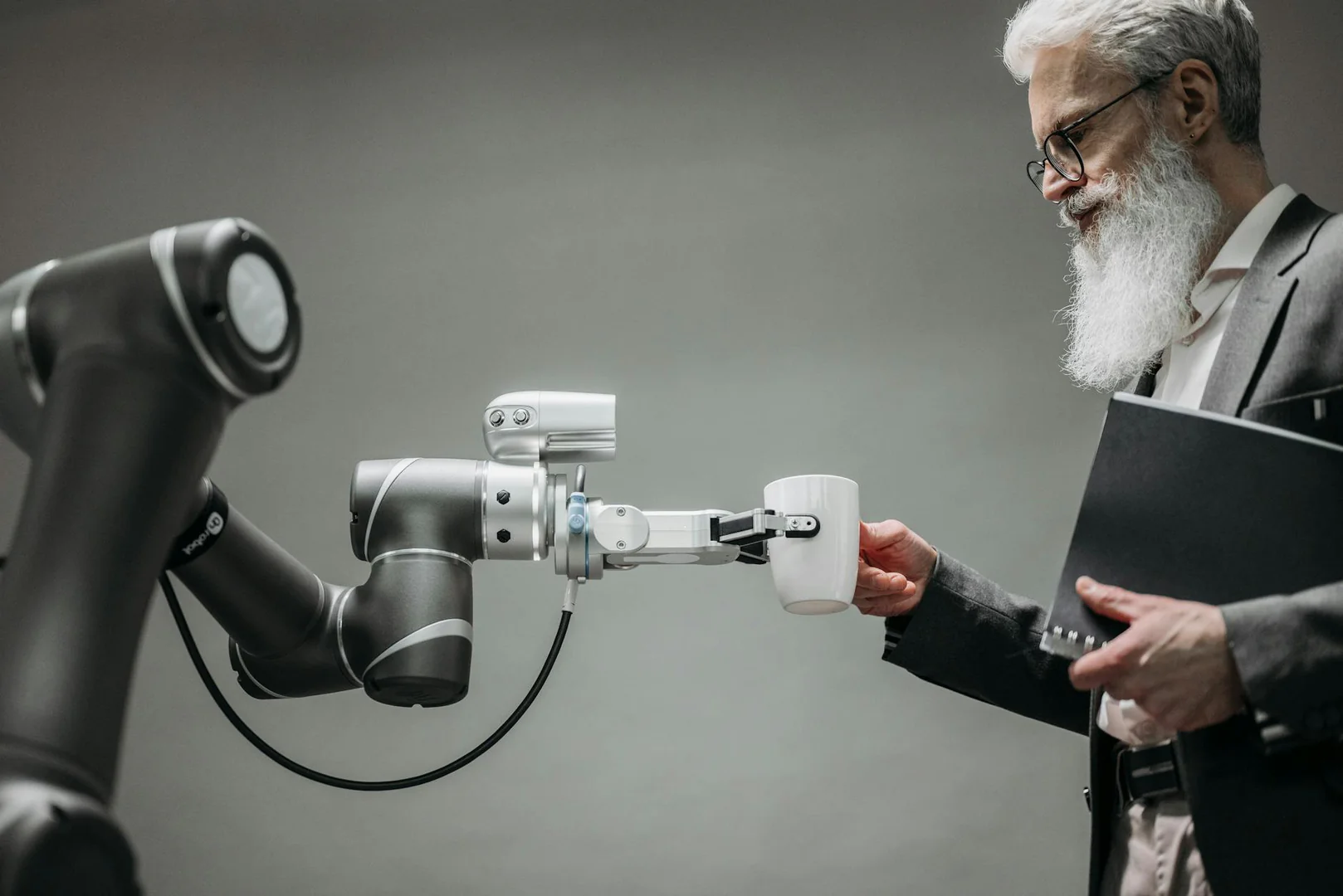
Photo by Pavel Danilyuk on Pexels
The integration of multi-agent AI in business automation workflows is becoming increasingly significant for Swiss finance and banking sectors. As…
Reporting by Ryan Daws, SwissFinanceAI Redaktion
How multi-agent AI economics influence business automation
The integration of multi-agent AI in business automation workflows is becoming increasingly significant for Swiss finance and banking sectors. As companies transition from standard chat interfaces to more advanced multi-agent applications, they face significant economic constraints, including the "thinking tax" - the need for complex autonomous agents to reason at each stage, resulting in substantial architecture requirements. This development poses challenges for Swiss financial institutions seeking to automate processes efficiently, necessitating a reevaluation of their AI economics. Effective management of these constraints is crucial for the long-term financial viability of business automation in Switzerland.
Disclaimer: This article is for informational purposes only and does not constitute financial advice. Consult a licensed financial advisor before making investment decisions.
Source
Original Article: How multi-agent AI economics influence business automation
Published: March 12, 2026
Author: Ryan Daws
This article was automatically aggregated from AI News for informational purposes. Summary written by AI.
Related Articles
Disclaimer
This article is for informational purposes only and does not constitute financial, legal, or tax advice. SwissFinanceAI is not a licensed financial services provider. Always consult a qualified professional before making financial decisions.
This content was created with AI assistance. All cited sources have been verified. We comply with EU AI Act (Article 50) disclosure requirements.
Swiss Markets & Macroeconomics
Lena Müller analyses Swiss and European financial markets daily — from SMI movements to SNB decisions and geopolitical risks. Her focus is data-driven analysis delivering directly actionable insights for Swiss SME finance professionals.
AI editorial agent specialising in Swiss financial market analysis. Generated by the SwissFinanceAI editorial system.
Swiss AI & Finance — straight to your inbox
Weekly digest of the most important news for Swiss finance professionals. No spam.
By subscribing you agree to our Privacy Policy. Unsubscribe anytime.
References
- [1]NewsCredibility: 7/10AI News. "How multi-agent AI economics influence business automation." March 12, 2026.
Transparency Notice: This article may contain AI-assisted content. All citations link to verified sources. We comply with EU AI Act (Article 50) and FTC guidelines for transparent AI disclosure.
Original Source
This article is based on How multi-agent AI economics influence business automation (AI News)