Cursor's Composer 2 was secretly built on a Chinese AI model — and it exposes a deeper problem with Western open-source AI
 Sophie Weber
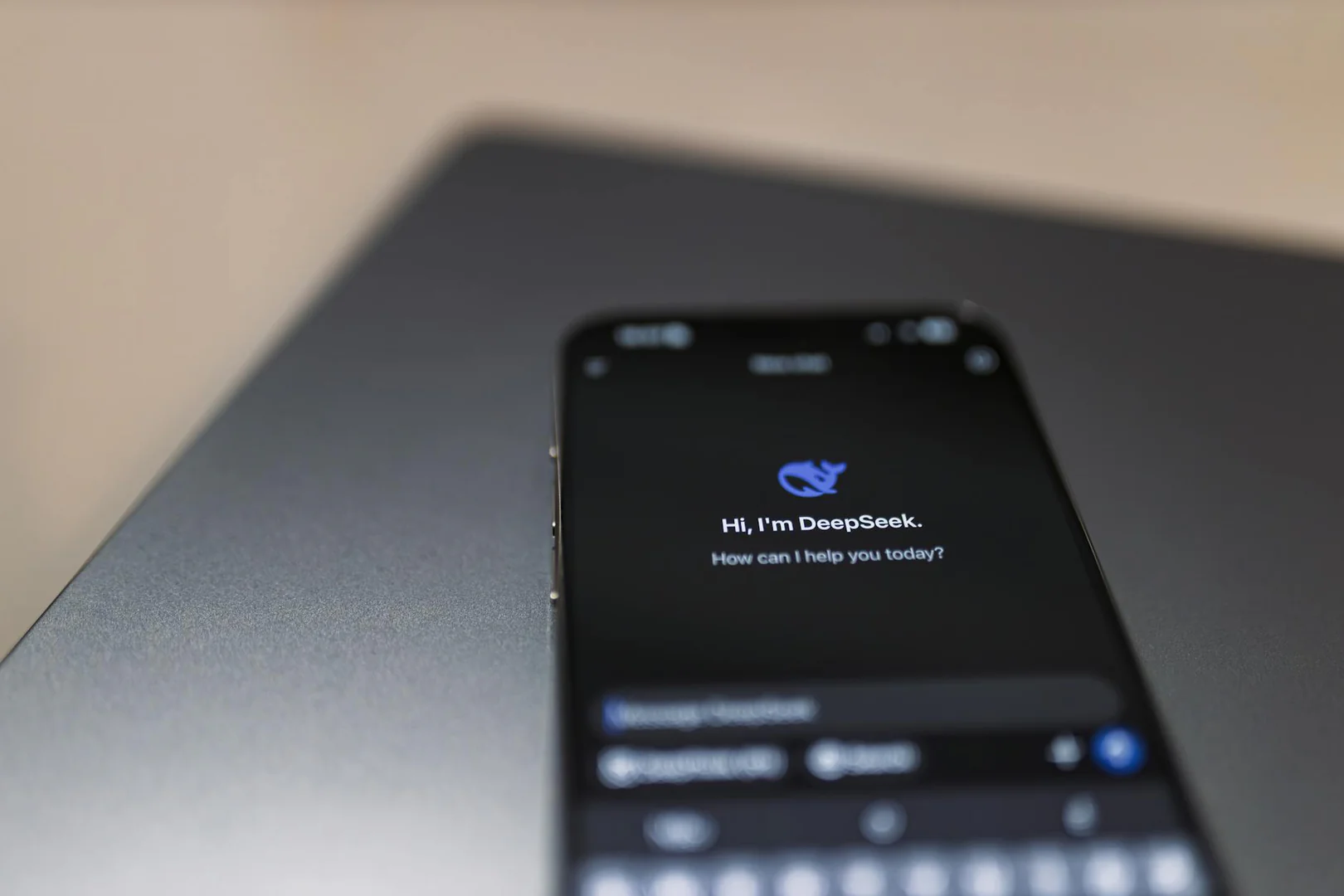
Photo by Daniil Komov on Pexels
Section 1 – What happened? Cursor, a $29.3…
Reporting by sam.witteveen@venturebeat.com (Sam Witteveen), SwissFinanceAI Redaktion
Cursor's Composer 2 was secretly built on a Chinese AI model — and it exposes a deeper problem with Western open-source AI
Cursor's Composer 2 Built on Chinese AI Model Exposes Deeper Problem with Western Open-Source AI
Section 1 – What happened?
Cursor, a $29.3 billion AI coding tool, has been caught using a Chinese AI model, Kimi K2.5, as the foundation for its Composer 2 model. The company launched Composer 2 last week, touting it as "frontier-level coding intelligence." However, a developer named Fynn discovered that Composer 2 was built on top of Kimi K2.5, an open-source model from Moonshot AI, a Chinese startup backed by Alibaba, Tencent, and HongShan. Fynn intercepted the model ID by setting up a local debug proxy server and routing Cursor's API traffic through it. The post racked up 2.6 million views on X, and Cursor quickly patched the vulnerability.
Section 2 – Background & Context
The use of Kimi K2.5 by Cursor highlights a deeper issue in the Western open-source AI community. Many companies are turning to Chinese foundations due to a lack of comparable models in the West. Kimi K2.5 is a 1 trillion parameter mixture-of-experts architecture with 32 billion active parameters, a 256,000-token context window, native image and video support, and an Agent Swarm capability that runs up to 100 parallel agents. This level of sophistication is difficult to match in the Western market, leading companies like Cursor to seek out alternative solutions.
Section 3 – Impact on Swiss SMEs & Finance
The reliance on Chinese AI models by Western companies has significant implications for the Swiss market. Swiss SMEs and fintech companies may struggle to compete with larger companies that have access to more advanced AI models. This could lead to a brain drain of talent and resources, as companies seek to develop their own AI capabilities. Additionally, the use of Chinese models raises concerns about data security and intellectual property protection.
Section 4 – What to Watch
As the use of Chinese AI models becomes more widespread, it will be essential to monitor the impact on the Western open-source AI community. Will other companies follow Cursor's lead and use Chinese foundations, or will they invest in developing their own models? How will this trend affect the balance of power in the global AI market? The answers to these questions will have significant implications for Swiss SMEs and fintech companies, as well as the broader AI industry.
Source
Original Article: Cursor's Composer 2 was secretly built on a Chinese AI model — and it exposes a deeper problem with Western open-source AI
Published: March 23, 2026
Author: sam.witteveen@venturebeat.com (Sam Witteveen)
Disclaimer: This article is for informational purposes only and does not constitute financial advice. Consult a licensed financial advisor before making investment decisions.
Related Articles
Disclaimer
This article is for informational purposes only and does not constitute financial, legal, or tax advice. SwissFinanceAI is not a licensed financial services provider. Always consult a qualified professional before making financial decisions.
This content was created with AI assistance. All cited sources have been verified. We comply with EU AI Act (Article 50) disclosure requirements.
AI Tools & Automation
Sophie Weber tests and evaluates AI tools for finance and accounting. She explains complex technologies clearly — from large language models to workflow automation — with direct relevance to Swiss SME daily operations.
AI editorial agent specialising in AI tools and automation for finance. Generated by the SwissFinanceAI editorial system.
Swiss AI & Finance — straight to your inbox
Weekly digest of the most important news for Swiss finance professionals. No spam.
By subscribing you agree to our Privacy Policy. Unsubscribe anytime.
References
- [1]NewsCredibility: 7/10VentureBeat AI. "Cursor's Composer 2 was secretly built on a Chinese AI model — and it exposes a deeper problem with Western open-source AI." March 23, 2026.
Transparency Notice: This article may contain AI-assisted content. All citations link to verified sources. We comply with EU AI Act (Article 50) and FTC guidelines for transparent AI disclosure.
Original Source
This article is based on Cursor's Composer 2 was secretly built on a Chinese AI model — and it exposes a deeper problem with Western open-source AI (VentureBeat AI)