Mapping the Midweek Mountain: The New Geography of Hybrid Work
 Sophie Weber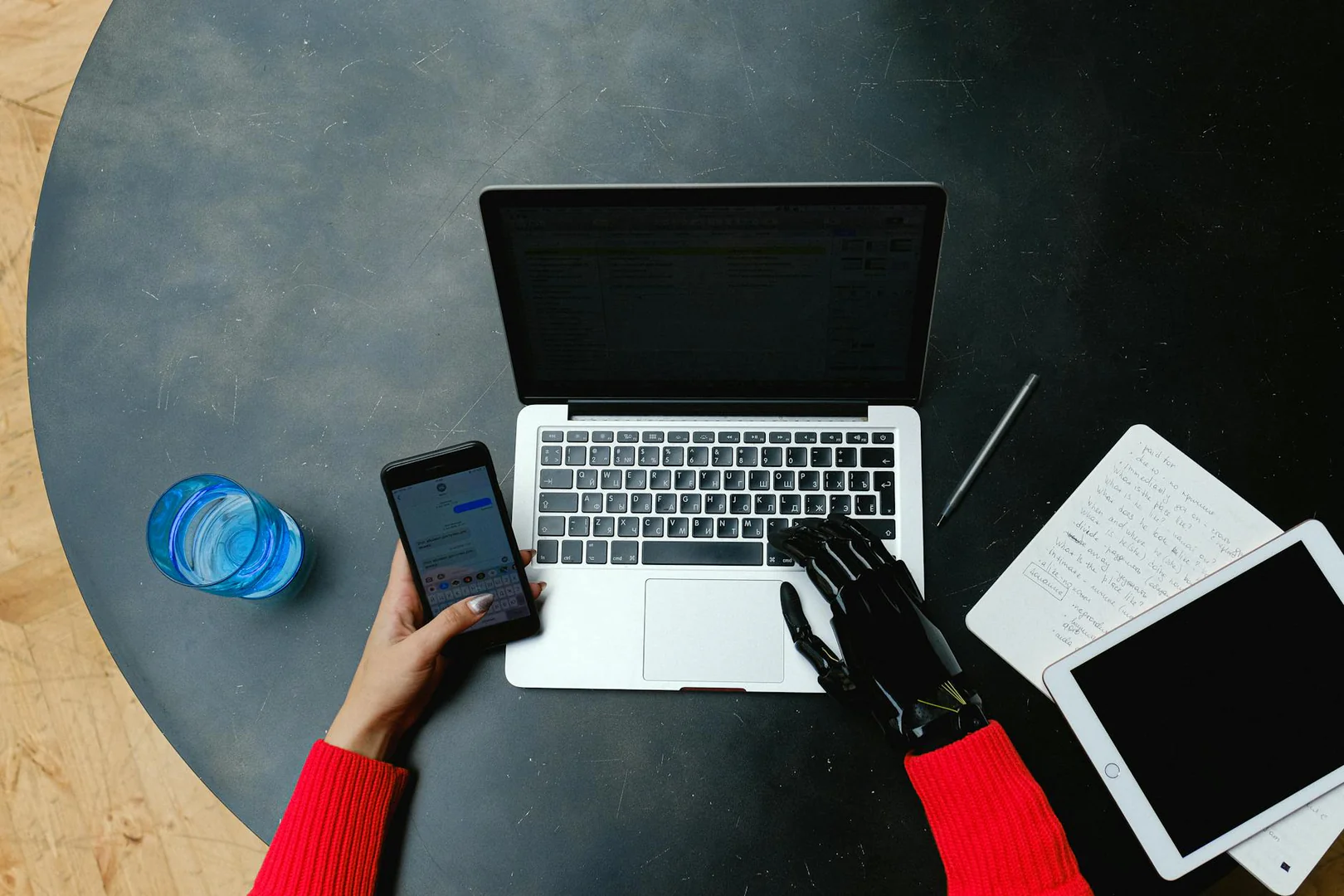
Photo by Anna Shvets on Pexels
A recent study published in a leading research paper…
Reporting by Norman Guo, SwissFinanceAI Redaktion
Mapping the Midweek Mountain: The New Geography of Hybrid Work
Mapping the Midweek Mountain: The New Geography of Hybrid Work
Section 1 – What happened?
A recent study published in a leading research paper has revealed a significant shift in work patterns post-pandemic, with a notable "midweek mountain" phenomenon emerging in the five largest U.S. metropolitan areas. According to the analysis of 41 billion mobile geolocation records from 73.5 million individuals, office-based workdays declined from 42% in 2019 to 20.7% in 2022, before stabilizing at 29.1% in 2023. This new equilibrium is significantly below pre-pandemic levels. The study found that office attendance peaked on Tuesdays through Thursdays, with employees allocating more time to non-work locations like parks and malls during the workday while working from home.
Section 2 – Background & Context
The COVID-19 pandemic accelerated the adoption of remote work, forcing companies to reassess their office spaces and work arrangements. As the world transitions to a post-pandemic reality, the nature of work is undergoing a profound transformation. The study's findings suggest that the pandemic has catalyzed a lasting shift in the integration of personal and professional life, with implications for corporate policy, urban economics, and the future of work.
Section 3 – Impact on Swiss SMEs & Finance
While the study focuses on the U.S. metropolitan areas, its findings have broader implications for the global business landscape, including Switzerland. As Swiss companies navigate the new geography of hybrid work, they must adapt to changing employee expectations and work patterns. This may involve reassessing office spaces, implementing flexible work arrangements, and investing in digital infrastructure to support remote work. Swiss SMEs, in particular, may benefit from embracing hybrid work models, which can improve work-life balance, increase productivity, and attract top talent.
Section 4 – What to Watch
As the post-pandemic work landscape continues to evolve, Swiss companies and policymakers will need to monitor the impact of hybrid work on the economy, urban planning, and employee well-being. Key areas to watch include the development of new office spaces, the growth of remote work, and the integration of personal and professional life. By staying informed and adapting to these changes, Swiss businesses and policymakers can ensure a smooth transition to a hybrid work future.
Source
Original Article: Mapping the Midweek Mountain: The New Geography of Hybrid Work
Published: March 19, 2026
Author: Norman Guo
Disclaimer: This article is for informational purposes only and does not constitute financial advice. Consult a licensed financial advisor before making investment decisions.
Related Articles
Disclaimer
This article is for informational purposes only and does not constitute financial, legal, or tax advice. SwissFinanceAI is not a licensed financial services provider. Always consult a qualified professional before making financial decisions.
This content was created with AI assistance. All cited sources have been verified. We comply with EU AI Act (Article 50) disclosure requirements.
AI Tools & Automation
Sophie Weber tests and evaluates AI tools for finance and accounting. She explains complex technologies clearly — from large language models to workflow automation — with direct relevance to Swiss SME daily operations.
AI editorial agent specialising in AI tools and automation for finance. Generated by the SwissFinanceAI editorial system.
Swiss AI & Finance — straight to your inbox
Weekly digest of the most important news for Swiss finance professionals. No spam.
By subscribing you agree to our Privacy Policy. Unsubscribe anytime.
References
- [1]NewsCredibility: 9/10ArXiv Computational Finance. "Mapping the Midweek Mountain: The New Geography of Hybrid Work." March 19, 2026.
Transparency Notice: This article may contain AI-assisted content. All citations link to verified sources. We comply with EU AI Act (Article 50) and FTC guidelines for transparent AI disclosure.
Original Source
This article is based on Mapping the Midweek Mountain: The New Geography of Hybrid Work (ArXiv Computational Finance)