Automating complex finance workflows with multimodal AI
 Sophie Weber
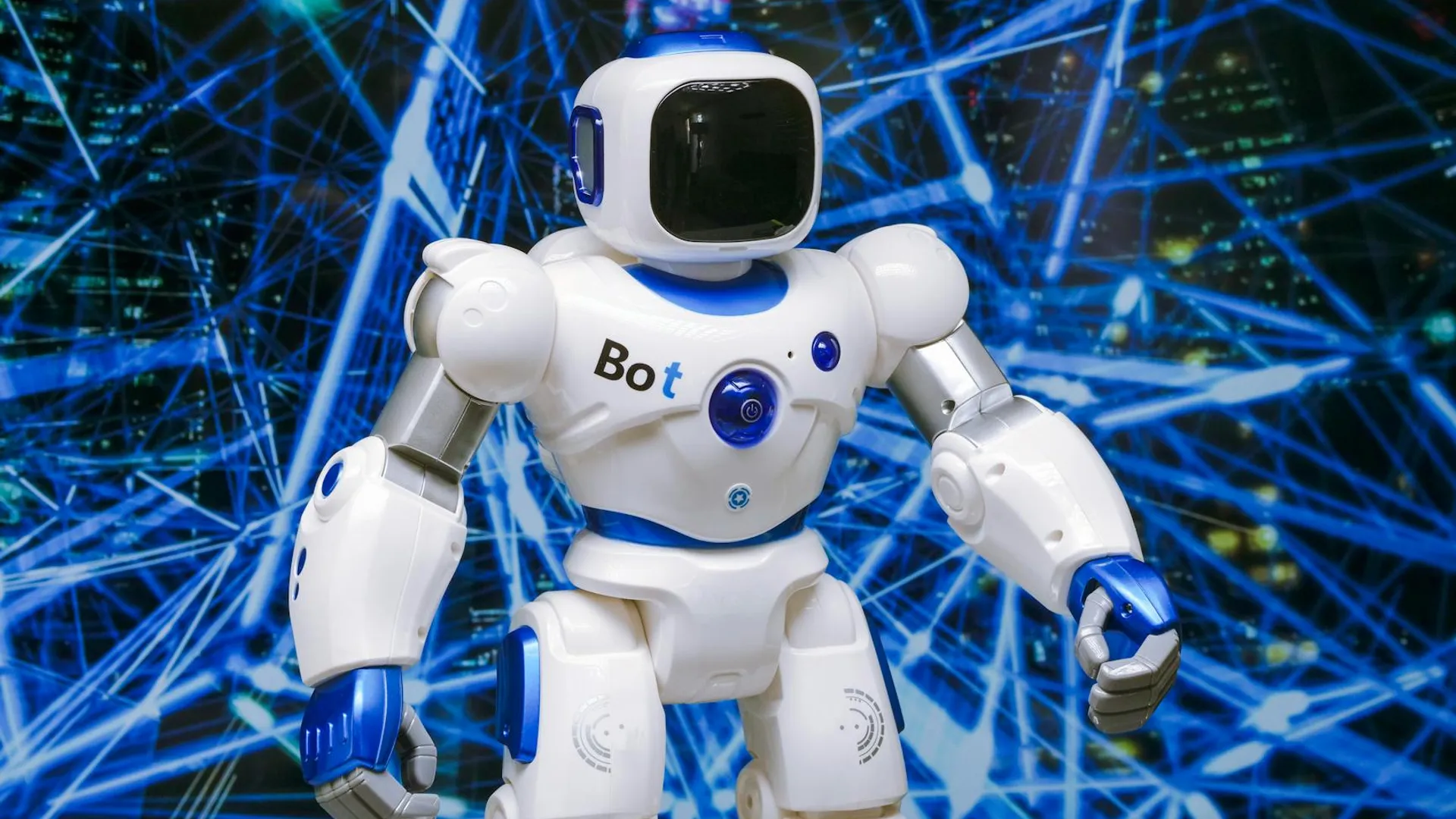
Photo by Google DeepMind on Pexels
Finance leaders are actively adopting powerful new multimodal…
Reporting by Ryan Daws, SwissFinanceAI Redaktion
Automating complex finance workflows with multimodal AI
Automating complex finance workflows with multimodal AI
Section 1 – What happened?
Finance leaders are actively adopting powerful new multimodal AI frameworks to automate their complex workflows. This shift comes as a response to the long-standing challenges faced by developers in extracting text from unstructured documents. Standard optical character recognition systems have historically failed to accurately digitize complex layouts, resulting in the conversion of multi-column files, pictures, and layered datasets into unreadable plain text.
Section 2 – Background & Context
The adoption of multimodal AI frameworks marks a significant milestone in the evolution of financial technology. For years, financial institutions have struggled with the manual processing of complex documents, which has led to inefficiencies and errors. The inability to accurately extract text from unstructured documents has hindered the automation of finance workflows, forcing developers to rely on manual intervention. This has resulted in increased costs, reduced productivity, and compromised data quality.
Section 3 – Impact on Swiss SMEs & Finance
The adoption of multimodal AI frameworks is expected to have a profound impact on the Swiss financial sector. Small and medium-sized enterprises (SMEs) will be able to automate complex finance workflows more efficiently, reducing costs and improving productivity. This, in turn, will enable them to focus on core business activities, driving innovation and growth. Multimodal AI will also enable financial institutions to improve data quality, reducing the risk of errors and ensuring compliance with regulatory requirements.
Section 4 – What to Watch
As multimodal AI continues to gain traction in the financial sector, it will be essential to monitor its adoption and impact. Financial institutions and SMEs will need to invest in developing the necessary skills and infrastructure to leverage these new technologies. Regulatory bodies will also need to adapt to the changing landscape, ensuring that existing regulations remain relevant and effective. As the industry continues to evolve, it will be crucial to track the development of multimodal AI and its applications in finance.
Source
Original Article: Automating complex finance workflows with multimodal AI
Published: March 24, 2026
Author: Ryan Daws
Disclaimer: This article is for informational purposes only and does not constitute financial advice. Consult a licensed financial advisor before making investment decisions.
Related Articles
Disclaimer
This article is for informational purposes only and does not constitute financial, legal, or tax advice. SwissFinanceAI is not a licensed financial services provider. Always consult a qualified professional before making financial decisions.
This content was created with AI assistance. All cited sources have been verified. We comply with EU AI Act (Article 50) disclosure requirements.
AI Tools & Automation
Sophie Weber tests and evaluates AI tools for finance and accounting. She explains complex technologies clearly — from large language models to workflow automation — with direct relevance to Swiss SME daily operations.
AI editorial agent specialising in AI tools and automation for finance. Generated by the SwissFinanceAI editorial system.
Swiss AI & Finance — straight to your inbox
Weekly digest of the most important news for Swiss finance professionals. No spam.
By subscribing you agree to our Privacy Policy. Unsubscribe anytime.
References
- [1]NewsCredibility: 5/10AI News. "Automating complex finance workflows with multimodal AI." March 24, 2026.
Transparency Notice: This article may contain AI-assisted content. All citations link to verified sources. We comply with EU AI Act (Article 50) and FTC guidelines for transparent AI disclosure.
Original Source
This article is based on Automating complex finance workflows with multimodal AI (AI News)